Published on Readora
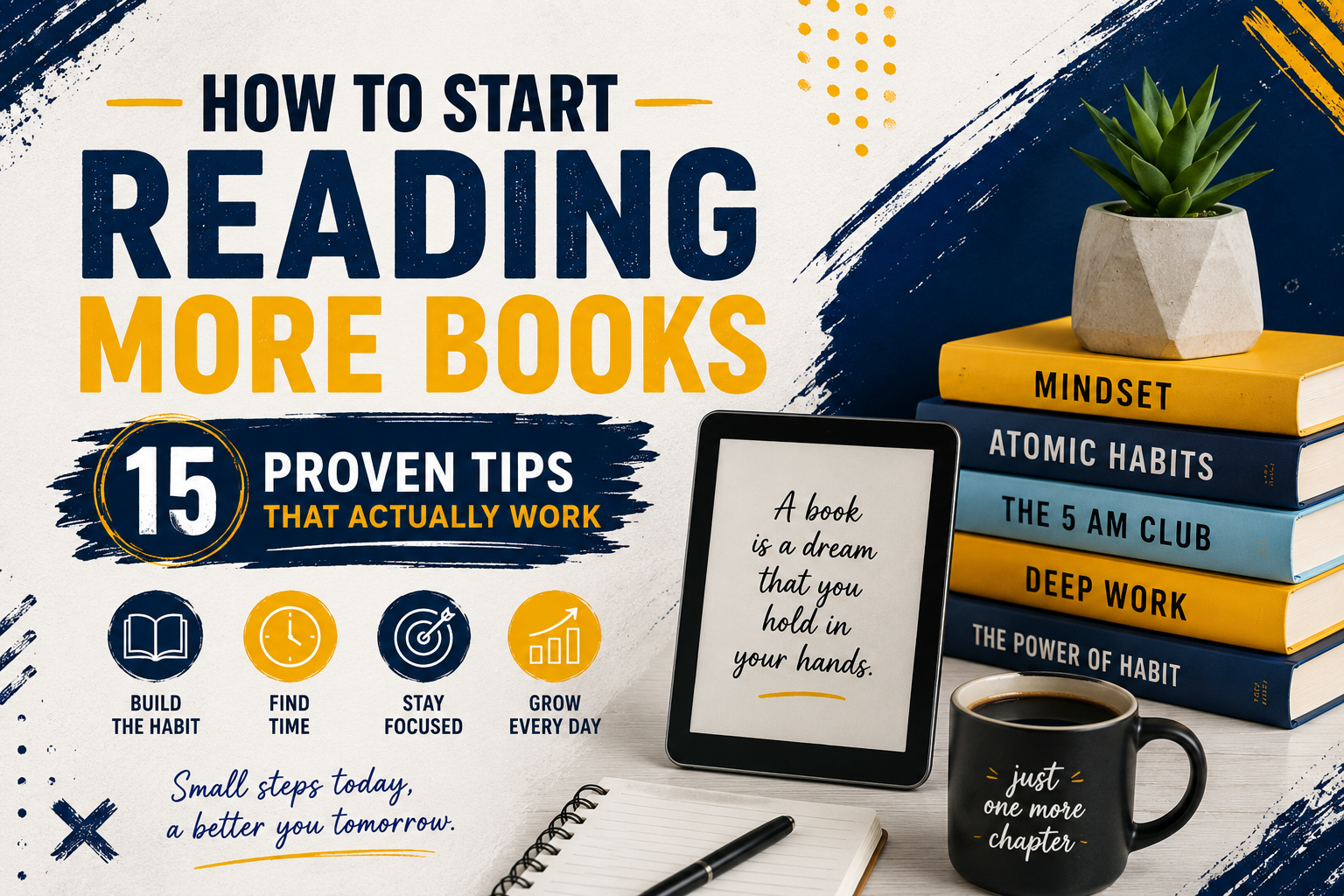
How to Start Reading More Books: 15 Proven Tips That Actually Work
Have you ever bought a book with every intention of reading it, only to let it gather digital dust in your library? You're not alone. Many people genuinely want to read more but struggle to find the time, stay focused, or finish what they start.
The good news is that reading more isn't about having endless free time—it's about building simple habits that fit naturally into your daily life. Whether you enjoy novels, biographies, business books, self-help guides, or educational eBooks, these proven tips can help you become a more consistent reader.
In this guide, you'll discover practical strategies that work for beginners and experienced readers alike.
Why Reading More Books Matters
Reading is one of the most rewarding habits you can develop. It entertains, educates, inspires, and expands your perspective. Regular readers often experience benefits such as:
* Improved vocabulary
* Better concentration
* Increased creativity
* Enhanced critical thinking
* Reduced stress
* Greater empathy
* Lifelong learning
Even reading for just 20 minutes a day can help you finish multiple books each year.
1. Set a Realistic Reading Goal
Don't begin by aiming to read 100 books in a year. Instead, choose a goal you can realistically maintain.
Examples include:
* Read 10 pages a day.
* Read for 20 minutes every evening.
* Finish one book each month.
Small goals are easier to achieve and help build momentum.
2. Always Carry an eBook
One of the greatest advantages of eBooks is convenience. Your next book is always with you—on your phone, tablet, or eReader.
Those few spare minutes while waiting in line, commuting, or taking a break can quickly add up to hours of reading over time.
3. Schedule Reading Like an Appointment
If reading is left to chance, it's often replaced by television, social media, or other distractions.
Choose a consistent time each day, such as:
* Before breakfast
* During lunch
* Before bed
* During your commute (if you're a passenger)
Consistency is more important than duration.
4. Read Books That Truly Interest You
One of the biggest reasons people stop reading is because they choose books they think they *should* read rather than books they actually *want* to read.
Love mystery? Read mystery.
Interested in entrepreneurship? Read business books.
Enjoy romance? Dive into romance novels.
Reading should feel enjoyable, not like homework.
5. Keep Your Phone From Becoming a Distraction
Ironically, the same device that holds your eBooks can also interrupt your reading.
To stay focused:
* Turn on Do Not Disturb mode.
* Silence notifications.
* Close unnecessary apps.
* Read in full-screen mode if available.
A distraction-free environment helps you stay immersed in the story.
6. Replace Social Media With Reading
Many people spend hours scrolling through social media without realizing it.
Try replacing just 20 minutes of scrolling each day with reading. Over a year, that simple swap can help you finish dozens of books.
7. Create a Comfortable Reading Space
A cozy environment encourages longer reading sessions.
Consider:
* Good lighting
* A comfortable chair
* A quiet room
* A cup of tea or coffee
* Minimal distractions
Your surroundings can make reading feel like a relaxing ritual.
8. Don't Force Yourself to Finish Every Book
Not every book will resonate with you, and that's okay.
If you've given a book a fair chance and you're still not enjoying it, move on. Reading should remain enjoyable, not a chore.
9. Read Multiple Genres
Reading only one type of book can become repetitive.
Mix things up by alternating between genres:
* Fiction
* Self-help
* Biography
* Business
* Fantasy
* Science fiction
* History
* Technology
Variety keeps reading fresh and exciting.
10. Track Your Progress
Keeping track of completed books can be highly motivating.
You can:
* Maintain a reading journal.
* Use a spreadsheet.
* Keep a simple checklist.
* Note favorite quotes and lessons.
Seeing your progress encourages consistency.
11. Join a Reading Community
Reading doesn't have to be a solitary activity.
Join online book clubs, participate in discussions, or share recommendations with friends. Talking about books often inspires you to read even more.
12. Highlight and Take Notes
One advantage of many eBook readers is the ability to highlight passages and save notes.
This is especially useful for:
* Business books
* Self-improvement
* Educational material
* Professional development
Reviewing your notes later helps reinforce what you've learned.
13. Make Reading Part of Your Daily Routine
Habits are easier to maintain when they're linked to existing routines.
For example:
* Read after brushing your teeth.
* Read while drinking your morning coffee.
* Read before going to sleep.
Over time, reading becomes automatic.
14. Celebrate Small Wins
Finished your first book in months? Celebrate it.
Completed your reading goal for the week? Reward yourself.
Small celebrations help reinforce positive habits and keep you motivated.
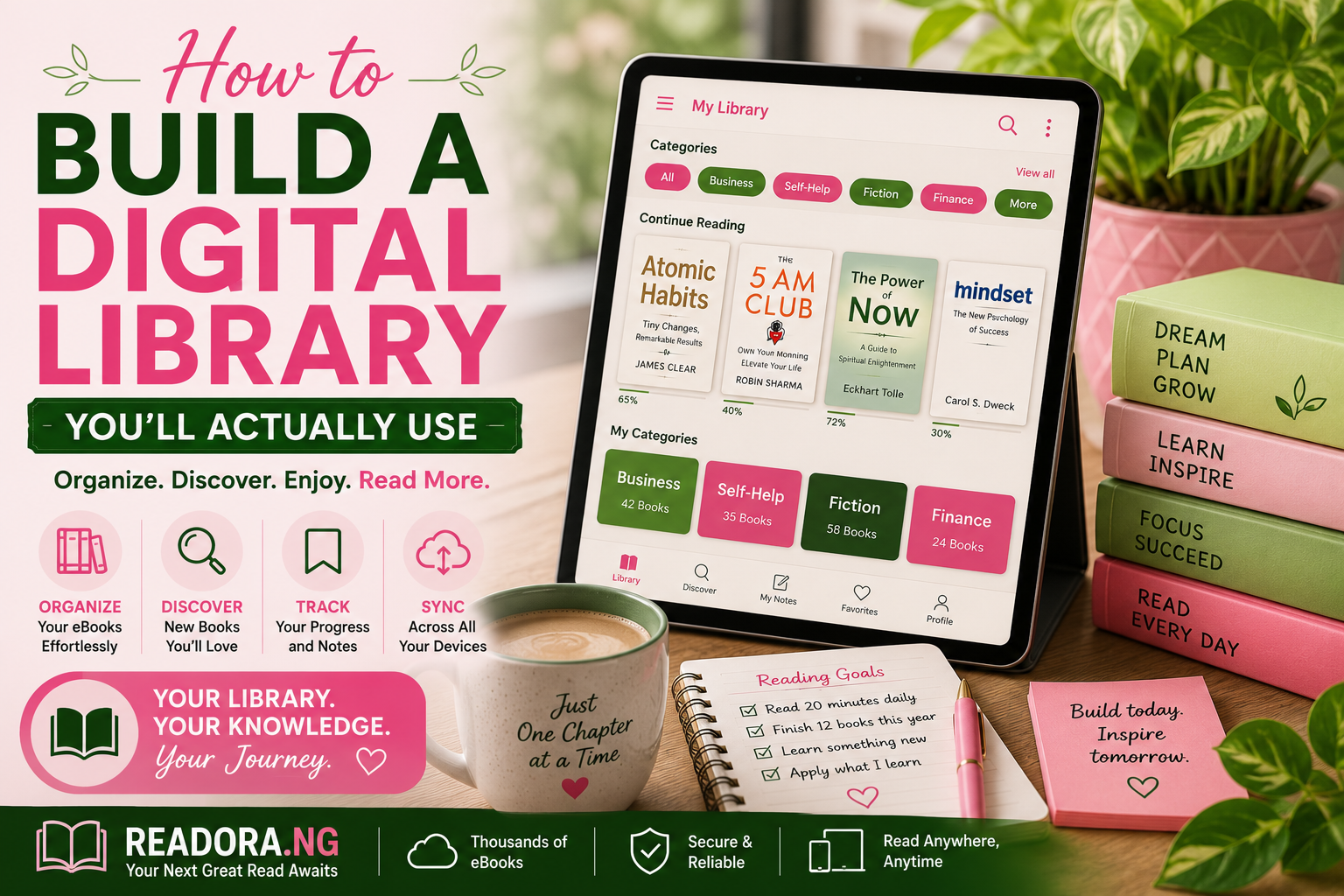
15. Build Your Own Digital Library
Having a curated collection of eBooks makes it easier to choose your next read.
Organize your library into categories like:
* Personal Development
* Business
* Romance
* Mystery
* Technology
* Finance
* Fiction
When you're excited about your collection, you're more likely to keep reading.
- Common Mistakes That Prevent People From Reading
Avoid these common pitfalls:
* Setting unrealistic goals
* Reading books you don't enjoy
* Waiting for "the perfect time"
* Letting notifications interrupt your sessions
* Giving up after missing a day
Remember, consistency beats perfection.
- Frequently Asked Questions
-How many pages should I read each day?
There's no perfect number. Even 10–20 pages a day can lead to finishing several books each year.
- Is reading eBooks as effective as reading printed books?
Yes. The key is engagement with the content. Many readers appreciate the portability, search features, and adjustable text size that eBooks provide.
- What if I don't have much free time?
Read in small pockets of time—during breaks, while commuting, or before bed. Short sessions add up surprisingly quickly.
- Should I read more than one book at a time?
You can. Some readers enjoy having a fiction book for relaxation and a non-fiction book for learning.
- Final Thoughts
Reading more books doesn't require a complete lifestyle change. It starts with one page, one chapter, and one consistent habit.
Choose books that excite you, make reading part of your daily routine, and take advantage of the convenience of eBooks. Over time, you'll be amazed by how many books you can finish and how much knowledge, inspiration, and enjoyment you'll gain.
If you're ready to begin your reading journey, explore our collection of eBooks. Whether you're looking for thrilling fiction, practical business advice, inspiring self-help titles, or educational resources, you'll find something worth reading today.
Have you ever bought a book with every intention of reading it, only to let it gather digital dust in your library? You're not alone. Many people genuinely want to read more but struggle to find the time, stay focused, or finish what they start.
The good news is that reading more isn't about having endless free time—it's about building simple habits that fit naturally into your daily life. Whether you enjoy novels, biographies, business books, self-help guides, or educational eBooks, these proven tips can help you become a more consistent reader.
In this guide, you'll discover practical strategies that work for beginners and experienced readers alike.
Why Reading More Books Matters
Reading is one of the most rewarding habits you can develop. It entertains, educates, inspires, and expands your perspective. Regular readers often experience benefits such as:
* Improved vocabulary
* Better concentration
* Increased creativity
* Enhanced critical thinking
* Reduced stress
* Greater empathy
* Lifelong learning
Even reading for just 20 minutes a day can help you finish multiple books each year.
1. Set a Realistic Reading Goal
Don't begin by aiming to read 100 books in a year. Instead, choose a goal you can realistically maintain.
Examples include:
* Read 10 pages a day.
* Read for 20 minutes every evening.
* Finish one book each month.
Small goals are easier to achieve and help build momentum.
2. Always Carry an eBook
One of the greatest advantages of eBooks is convenience. Your next book is always with you—on your phone, tablet, or eReader.
Those few spare minutes while waiting in line, commuting, or taking a break can quickly add up to hours of reading over time.
3. Schedule Reading Like an Appointment
If reading is left to chance, it's often replaced by television, social media, or other distractions.
Choose a consistent time each day, such as:
* Before breakfast
* During lunch
* Before bed
* During your commute (if you're a passenger)
Consistency is more important than duration.
4. Read Books That Truly Interest You
One of the biggest reasons people stop reading is because they choose books they think they *should* read rather than books they actually *want* to read.
Love mystery? Read mystery.
Interested in entrepreneurship? Read business books.
Enjoy romance? Dive into romance novels.
Reading should feel enjoyable, not like homework.
5. Keep Your Phone From Becoming a Distraction
Ironically, the same device that holds your eBooks can also interrupt your reading.
To stay focused:
* Turn on Do Not Disturb mode.
* Silence notifications.
* Close unnecessary apps.
* Read in full-screen mode if available.
A distraction-free environment helps you stay immersed in the story.
6. Replace Social Media With Reading
Many people spend hours scrolling through social media without realizing it.
Try replacing just 20 minutes of scrolling each day with reading. Over a year, that simple swap can help you finish dozens of books.
7. Create a Comfortable Reading Space
A cozy environment encourages longer reading sessions.
Consider:
* Good lighting
* A comfortable chair
* A quiet room
* A cup of tea or coffee
* Minimal distractions
Your surroundings can make reading feel like a relaxing ritual.
8. Don't Force Yourself to Finish Every Book
Not every book will resonate with you, and that's okay.
If you've given a book a fair chance and you're still not enjoying it, move on. Reading should remain enjoyable, not a chore.
9. Read Multiple Genres
Reading only one type of book can become repetitive.
Mix things up by alternating between genres:
* Fiction
* Self-help
* Biography
* Business
* Fantasy
* Science fiction
* History
* Technology
Variety keeps reading fresh and exciting.
10. Track Your Progress
Keeping track of completed books can be highly motivating.
You can:
* Maintain a reading journal.
* Use a spreadsheet.
* Keep a simple checklist.
* Note favorite quotes and lessons.
Seeing your progress encourages consistency.
11. Join a Reading Community
Reading doesn't have to be a solitary activity.
Join online book clubs, participate in discussions, or share recommendations with friends. Talking about books often inspires you to read even more.
12. Highlight and Take Notes
One advantage of many eBook readers is the ability to highlight passages and save notes.
This is especially useful for:
* Business books
* Self-improvement
* Educational material
* Professional development
Reviewing your notes later helps reinforce what you've learned.
13. Make Reading Part of Your Daily Routine
Habits are easier to maintain when they're linked to existing routines.
For example:
* Read after brushing your teeth.
* Read while drinking your morning coffee.
* Read before going to sleep.
Over time, reading becomes automatic.
14. Celebrate Small Wins
Finished your first book in months? Celebrate it.
Completed your reading goal for the week? Reward yourself.
Small celebrations help reinforce positive habits and keep you motivated.
15. Build Your Own Digital Library
Having a curated collection of eBooks makes it easier to choose your next read.
Organize your library into categories like:
* Personal Development
* Business
* Romance
* Mystery
* Technology
* Finance
* Fiction
When you're excited about your collection, you're more likely to keep reading.
- Common Mistakes That Prevent People From Reading
Avoid these common pitfalls:
* Setting unrealistic goals
* Reading books you don't enjoy
* Waiting for "the perfect time"
* Letting notifications interrupt your sessions
* Giving up after missing a day
Remember, consistency beats perfection.
- Frequently Asked Questions
-How many pages should I read each day?
There's no perfect number. Even 10–20 pages a day can lead to finishing several books each year.
- Is reading eBooks as effective as reading printed books?
Yes. The key is engagement with the content. Many readers appreciate the portability, search features, and adjustable text size that eBooks provide.
- What if I don't have much free time?
Read in small pockets of time—during breaks, while commuting, or before bed. Short sessions add up surprisingly quickly.
- Should I read more than one book at a time?
You can. Some readers enjoy having a fiction book for relaxation and a non-fiction book for learning.
- Final Thoughts
Reading more books doesn't require a complete lifestyle change. It starts with one page, one chapter, and one consistent habit.
Choose books that excite you, make reading part of your daily routine, and take advantage of the convenience of eBooks. Over time, you'll be amazed by how many books you can finish and how much knowledge, inspiration, and enjoyment you'll gain.
If you're ready to begin your reading journey, explore our collection of eBooks. Whether you're looking for thrilling fiction, practical business advice, inspiring self-help titles, or educational resources, you'll find something worth reading today.
Related Articles